

Rachel has her action steps. She will eat two pieces of fruit and a cup of vegetables per day. And she will write those exact foods on her habit tracker.
Now comes the part that decides whether any of it happens.
She is not going to focus on her self-discipline. She is going to change her surroundings.
She moves every bag of chips, every cookie, and every box of crackers to a shelf in the basement. Now she won’t see them by accident. With trigger foods, out of sight usually means out of mind. Rachel knows her biggest food enemy is ice cream, so she throws the tub of ice cream in the trash.
Then she stacks the front of the refrigerator and the front of the pantry with fruit, vegetables, beans, whole grains, nuts, and seeds. The apples, mangoes, oranges, 100% whole grain bread, and avocados sit at eye level, ready to eat.
She now has Environment-Focused action steps. Most people don’t know how powerful this is. When researchers looked closely at people who scored high on self-discipline, they realized they were not resisting temptation better than everyone else. They were better at structuring their environment to make their healthy habits easy to perform and their bad habits difficult. They had to use self-control much less often than those who rated as not having good self-discipline.
Try this:
Pick the one food you know you struggle to stop eating. Move it somewhere you will never see it by accident, such as hidden on the back of a shelf or in the basement. Or better yet, throw it away. Write these steps down on your IDEAL Goals™ Habit Tracker under Environment.
Next week Rachel decides where and when she will eat each food.
Want to see how all five parts of IDEAL Goals fit together? Watch the 45-second video.
—Keith
If you have questions or topics you’d like me to address in future emails, you can reply to this message. I read and respond personally to all replies.
Keith A. Herman is the founder of the Expert Diet Project, an initiative dedicated to correcting health misinformation by spotlighting the advice of the real experts.
The Eat Like an Expert Newsletter, the Health & Well-Being Journal, and Keith’s upcoming book, Eat Like an Expert, are all part of the Expert Diet Project. The book is scheduled for release in 2027.
Plus, you’ll receive 10 days of email support to walk you through your first week of healthier eating, one day at a time.
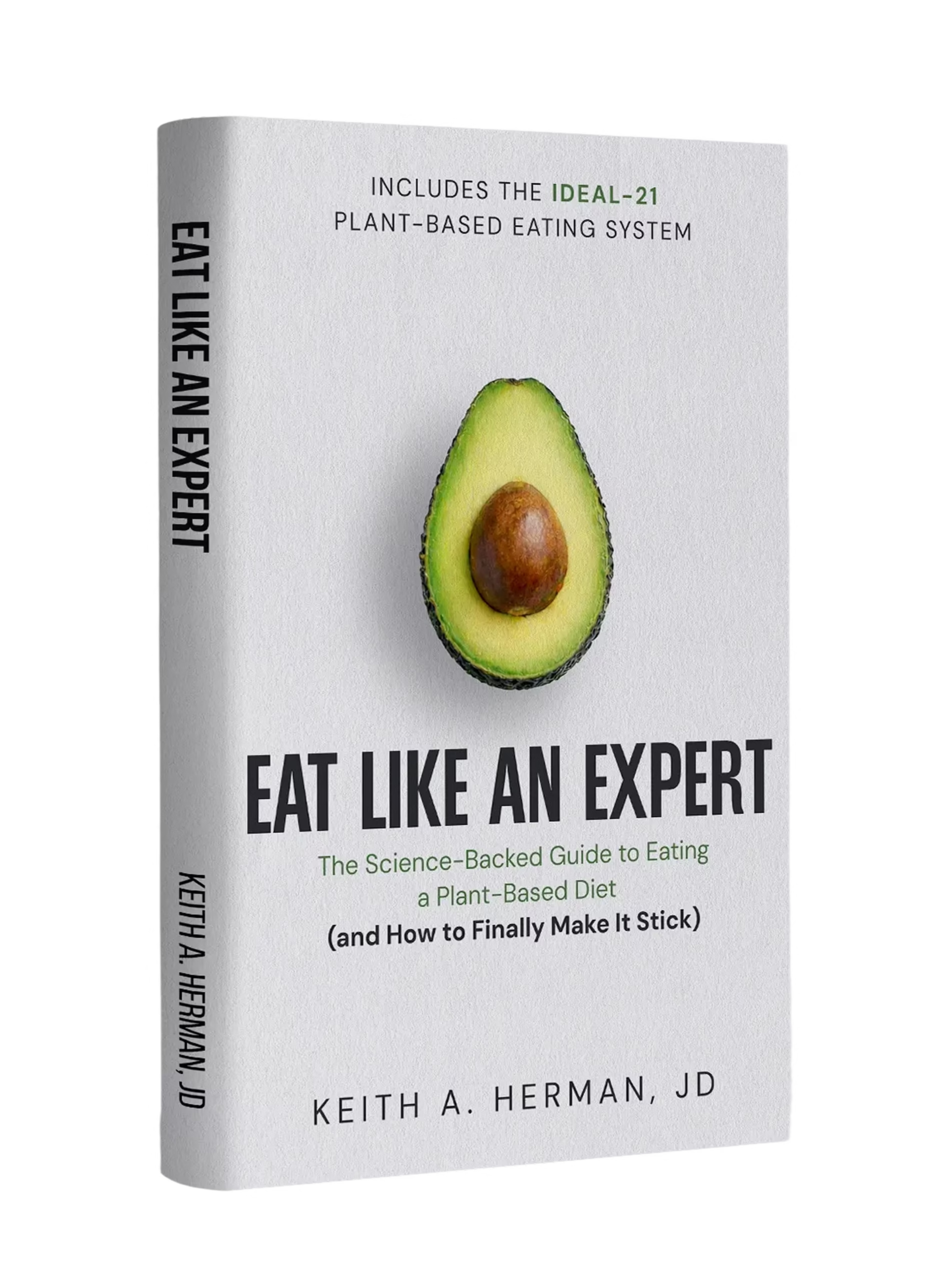
Subscribe to our newsletter to receive more information about my book and journal (and to download your FREE fillable daily habit tracker).
Here’s how the journal helps you turn insight into results:
13-Week Roadmap: A simple, day-by-day system that removes guesswork and keeps you focused.
Trigger-Proofing Tools: Learn how to redesign your environment so healthy choices feel easy.
Built-In Accountability: Track food, energy, sleep, and habits so progress never slips away.
Daily Reflection Prompts: Just 5 minutes a day to stay aligned before life gets busy.
This isn’t about fixing something that’s broken.
It’s about making healthy choices feel automatic.
This is your 13-week reset.
You’re not in crisis mode, and that’s a good thing.
The Health & Well-Being Journal isn’t just for getting back on track.
It’s for levelling up, staying consistent, and building a food relationship that lasts.
📘 Even 5 minutes a day can help you track, reflect, and grow, before life gets messy.
Ready to try it?
Start Your 13-Week Upgrade